
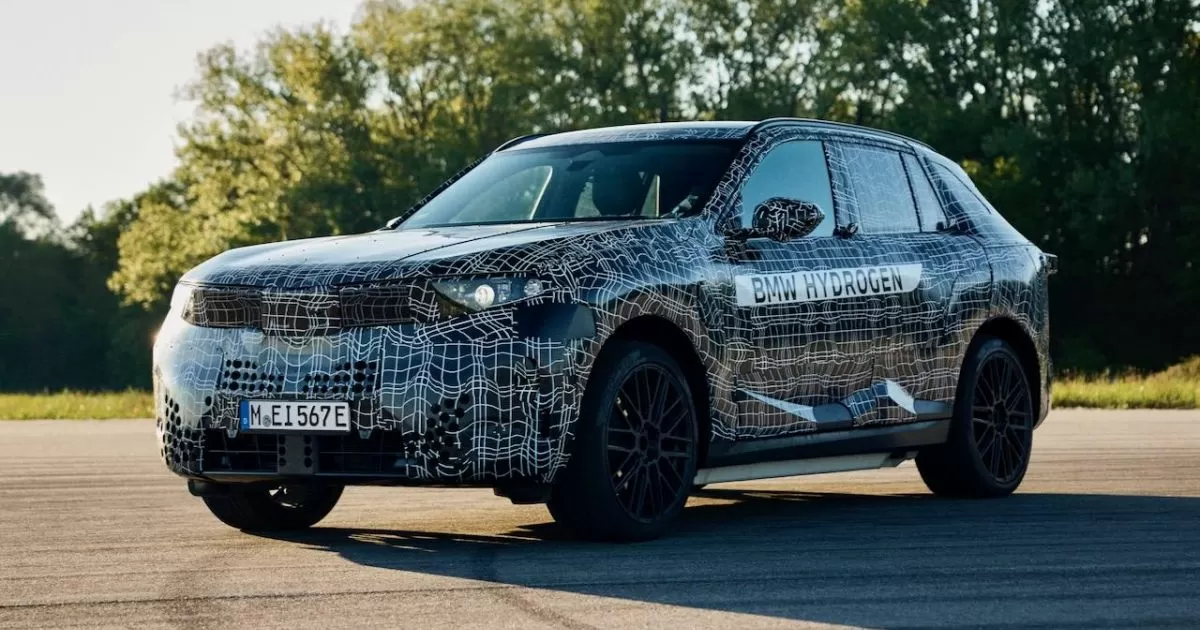
BMW, the renowned German luxury car manufacturer, is known for its innovation and cutting-edge technology. With each new generation of vehicles, BMW continues to push the boundaries and set new standards in the automotive industry. And now, with the upcoming release of the next-generation X5, BMW is taking a bold step towards a greener future by offering a wide range of powertrain options, including hydrogen.
The X5, which has been a popular choice among luxury SUV buyers, will now be available with a hydrogen fuel cell powertrain. This move by BMW is a clear indication of their commitment towards sustainable mobility and reducing carbon emissions. The company has been investing heavily in alternative fuel technologies and the inclusion of a hydrogen-powered X5 is a testament to their efforts.
But what exactly is a hydrogen fuel cell powertrain and how does it work? In simple terms, it is an electric powertrain that uses hydrogen as its source of energy. The hydrogen is stored in a tank and then passed through a fuel cell, where it reacts with oxygen to produce electricity. This electricity is then used to power the vehicle’s electric motor, providing a smooth and efficient driving experience.
One of the major advantages of a hydrogen fuel cell powertrain is its zero-emission nature. The only byproduct of this process is water vapor, making it a truly eco-friendly option. This is a significant step towards reducing the carbon footprint of vehicles and moving towards a cleaner and greener future.
But BMW’s commitment to sustainability doesn’t end there. The next-generation X5 will also be available with a plug-in hybrid powertrain, combining a traditional combustion engine with an electric motor. This will allow the X5 to run on pure electric power for short distances, reducing fuel consumption and emissions. The plug-in hybrid option will also give drivers the flexibility to switch between electric and gasoline power, depending on their driving needs.
In addition to these two eco-friendly powertrain options, the next-generation X5 will also be available with traditional gasoline and diesel engines. This diverse range of powertrains will cater to the varying needs and preferences of customers, ensuring that there is an X5 for everyone.
But it’s not just about the powertrain options, BMW has also made significant improvements in the design and technology of the next-generation X5. The new X5 will feature a sleeker and more aerodynamic design, making it not only more visually appealing but also more fuel-efficient. The interior will also see upgrades, with the latest technology and luxurious features that BMW is known for.
With the inclusion of a hydrogen fuel cell powertrain, BMW is not only setting a new standard in the luxury SUV segment but also paving the way for a more sustainable future. This move is a testament to the company’s commitment towards reducing carbon emissions and promoting sustainable mobility.
But BMW’s efforts towards sustainability are not limited to just their vehicles. The company has also been investing in renewable energy sources and implementing sustainable practices in their production processes. This holistic approach towards sustainability is what sets BMW apart from its competitors and makes it a leader in the automotive industry.
In conclusion, the next-generation X5 from BMW is not just a luxury SUV, but a symbol of the company’s commitment towards a greener future. With a diverse range of powertrain options, including the revolutionary hydrogen fuel cell, BMW is hedging its bets and offering customers a truly sustainable and efficient driving experience. So, get ready to experience the future of mobility with the next-generation X5 from BMW.
