
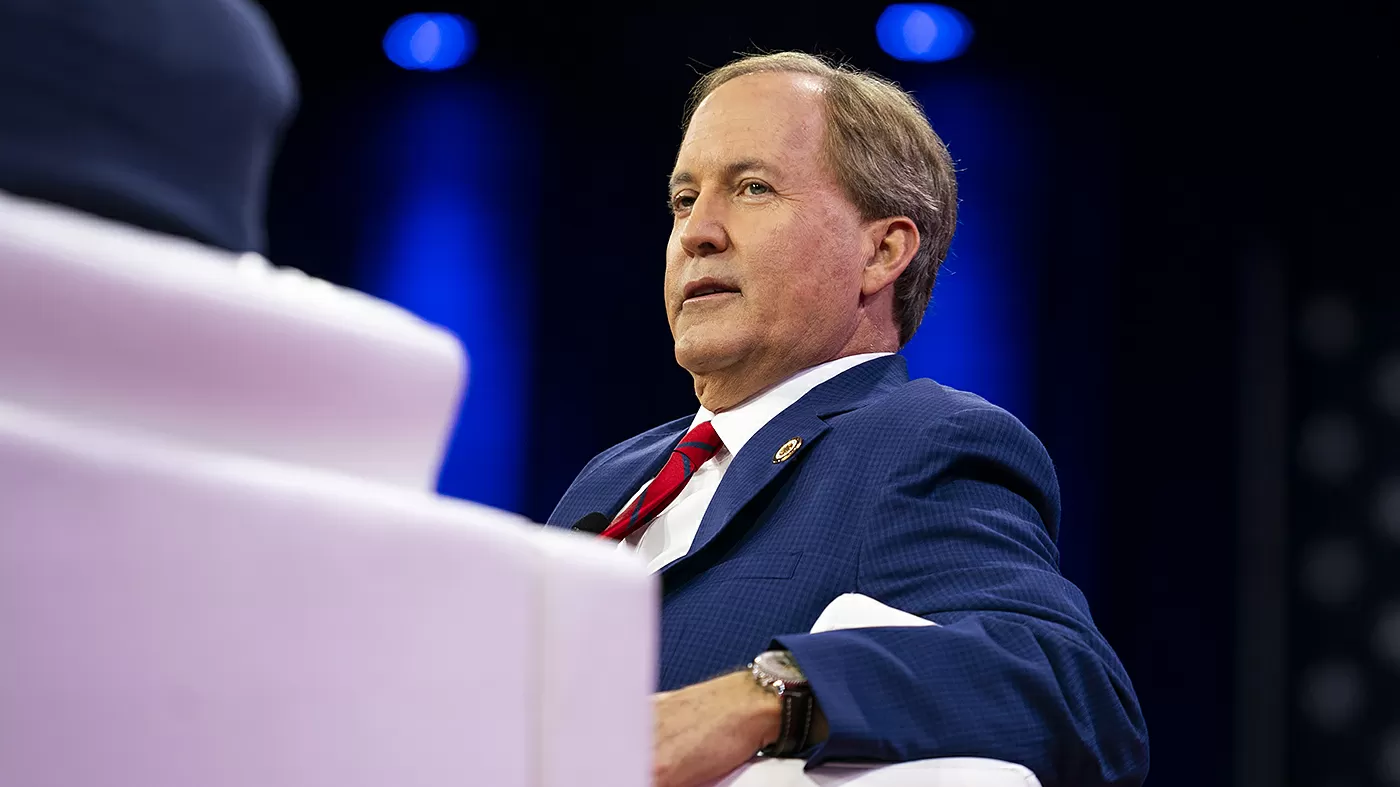
On Friday, Texas Attorney General Ken Paxton (R) made a bold move by filing a lawsuit seeking to vacate the seats of 13 Democratic state lawmakers. These lawmakers had fled the state in an attempt to block Republicans from passing a new House map that would favor their party. Paxton’s actions have sparked controversy and debate, with some applauding his efforts and others questioning the legality of his actions.
The lawsuit, filed with the Texas Supreme Court, alleges that the 13 lawmakers have effectively abandoned their duties and responsibilities as elected officials by leaving the state without proper authorization. According to Paxton, this action has resulted in a “constitutional vacancy” in their offices, and therefore, they should be removed from their positions.
This move by Paxton comes after weeks of political turmoil in Texas. In July, Democratic lawmakers left the state and headed to Washington D.C. to prevent a quorum in the Texas House of Representatives. This strategy was used to block the passage of a new Republican-drawn House map, which Democrats argued would disenfranchise minority voters and give an unfair advantage to the GOP.
The 13 lawmakers, who are now the targets of Paxton’s lawsuit, have been hailed as heroes by their party for their efforts in fighting against what they see as an attack on democracy. However, Republicans have criticized their actions, calling it a political stunt and accusing them of shirking their duties as elected officials.
In his lawsuit, Paxton argues that the lawmakers’ actions have disrupted the functioning of the state government and have caused significant financial burden to taxpayers. He claims that their absence has resulted in the postponement of a special legislative session, which has cost the state millions of dollars.
Paxton’s lawsuit has been met with mixed reactions. Some see it as a necessary step to restore order and ensure that elected officials fulfill their duties. Others view it as a political move to undermine the efforts of the Democratic lawmakers and push through a new House map that would benefit the Republican party.
However, regardless of one’s political beliefs, it is essential to consider the implications of this lawsuit on the democratic process. By trying to remove elected officials from their positions, Paxton is setting a dangerous precedent that could be used by either party in the future. It raises questions about the balance of power between the executive and legislative branches and the importance of upholding the will of the voters.
Moreover, this lawsuit highlights the ongoing political divide in Texas and the country as a whole. The current partisan climate has made it challenging to find common ground and work together for the betterment of the state and its people. Instead, politicians are using every opportunity to score political points and further their own agendas.
In the end, it is crucial for all parties involved to remember their responsibilities as elected officials. They have been elected to serve the people and uphold the principles of democracy. It is their duty to work together and find a solution that benefits all Texans, rather than engaging in a power struggle.
As the lawsuit moves forward, it is essential to maintain a positive and respectful dialogue between all parties. Only through open communication and a willingness to compromise can we move towards a more united and prosperous Texas. Let us hope that the Texas Supreme Court will make a fair and just decision that puts the interests of the people first.
