
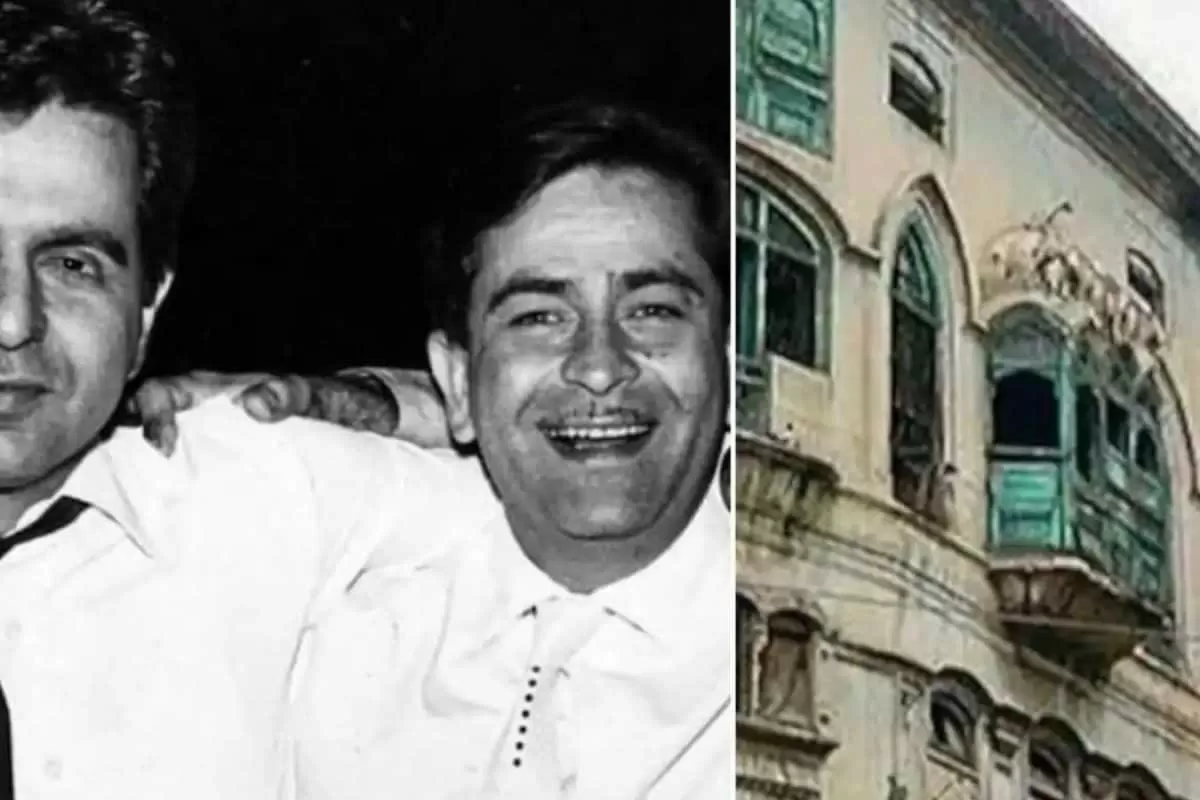
The ancestral homes of two Indian cinema legends, Raj Kapoor and Dilip Kumar, are set to be restored and converted into heritage museums in Peshawar, Pakistan. This news has brought a wave of excitement and nostalgia among the fans of these iconic actors, as well as the people of Peshawar.
The homes, located in the Qissa Khwani Bazaar area of Peshawar, hold a significant place in the history of Indian cinema. Raj Kapoor’s ancestral home, known as Kapoor Haveli, was built by his grandfather Dewan Basheswarnath Kapoor in the early 20th century. It was here that Raj Kapoor spent his childhood before moving to Mumbai to pursue his acting career. Similarly, Dilip Kumar’s ancestral home, known as Mohallah Khudadad, was built by his father Lala Ghulam Sarwar in the 1920s. It was here that Dilip Kumar spent his early years before becoming one of the most celebrated actors of Indian cinema.
The decision to restore and convert these homes into heritage museums was taken by the Khyber Pakhtunkhwa government in collaboration with the provincial archaeology department. The aim is to preserve the cultural heritage of Peshawar and pay tribute to the two legendary actors who have left an indelible mark on the Indian film industry.
The restoration work has already begun on both the homes and is expected to be completed within a year. The project includes the renovation of the exterior and interior of the homes, as well as the installation of multimedia displays and exhibits showcasing the life and work of Raj Kapoor and Dilip Kumar. The museums will also feature a collection of their personal belongings, photographs, and memorabilia, giving visitors a glimpse into the lives of these two great actors.
The news of the restoration of these homes has been welcomed by the fans of Raj Kapoor and Dilip Kumar, who have been eagerly waiting to see their idols’ ancestral homes being preserved and honored. It is also a matter of pride for the people of Peshawar, who take great pride in their city’s rich cultural heritage. The museums are expected to attract a large number of tourists, both from India and Pakistan, who are interested in the history of Indian cinema.
The restoration of these homes is not just a tribute to Raj Kapoor and Dilip Kumar, but also a step towards promoting cultural exchange and strengthening the ties between India and Pakistan. It is a reminder that despite the political tensions between the two countries, there is a shared cultural heritage that binds them together.
The government’s initiative to convert these homes into heritage museums is commendable and deserves appreciation. It not only preserves the legacy of these two great actors but also promotes tourism and boosts the local economy. The museums will not only serve as a source of entertainment but also as a source of education for the younger generation, who will get a chance to learn about the rich history of Indian cinema.
In conclusion, the restoration and conversion of Raj Kapoor and Dilip Kumar’s ancestral homes into heritage museums is a significant step towards preserving the cultural heritage of Peshawar and paying tribute to two of the greatest actors of Indian cinema. It is a project that has been long overdue and is sure to bring joy and pride to the people of Peshawar and the fans of Raj Kapoor and Dilip Kumar. Let us hope that this is just the beginning, and more such initiatives are taken to preserve and promote the shared cultural heritage of India and Pakistan.
