
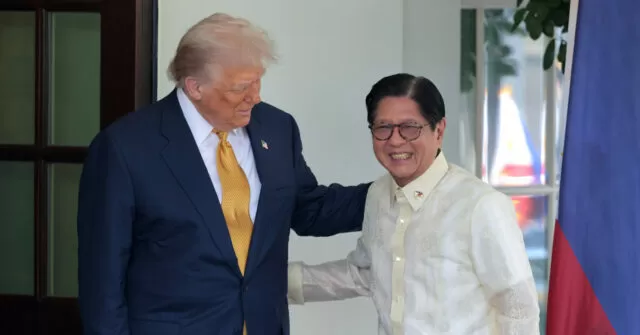
President Donald Trump has once again taken a significant step towards his “America First” trade policy by announcing new trade pacts with the Philippines and Indonesia. The agreements, which feature zero tariffs on U.S. exports and 19% levies on imports, were made just days before the tariff deadline set by the Trump administration.
The move is seen as a major win for the United States as it aims to reduce its trade deficit with these countries. The new trade deals are expected to open up new markets for American goods and boost the economy, something that has been a top priority for President Trump.
In a statement released by the White House, Trump expressed his satisfaction with the negotiations, stating that the new pacts will provide a level playing field for American businesses. He also reiterated his commitment to protecting American jobs and promoting fair and reciprocal trade with our international partners.
The new agreements come at a crucial time as the United States and China continue their ongoing trade war. Over the past year, the Trump administration has imposed tariffs on billions of dollars worth of Chinese goods, while China has retaliated with its own tariffs on American exports. This has caused significant economic turbulence and uncertainty, not just for the two countries, but for the global economy as well.
The trade deals with the Philippines and Indonesia are a welcome respite from this tense trade environment. With the threat of tariffs looming, these two nations have reached an amicable solution with the United States, providing much-needed stability to the international trade market.
The new pacts will also benefit the Philippines and Indonesia, as it will pave the way for stronger economic ties with the United States. Both countries have expressed their eagerness to increase trade with the world’s largest economy and view these agreements as a major step in that direction.
The Philippines, in particular, is eager to expand its exports to the United States, with the goal of reducing its trade deficit with the country. The agreement will see an increase in the export of goods such as textiles, electronics, and agricultural products. This is expected to create new job opportunities and boost the country’s economy.
Indonesia, on the other hand, is looking to tap into the U.S. market for its booming manufacturing sector. With the removal of tariffs on U.S. imports, Indonesian businesses will have greater access to the American market, which could potentially attract more foreign investments and lead to further economic growth.
Critics of the Trump administration’s trade policies may question the long-term effects of these deals. However, it cannot be denied that these agreements will greatly benefit the American economy in the short term. With the reduction of tariffs, American businesses will have a competitive advantage in these new markets, which will undoubtedly boost exports and create more job opportunities for Americans.
Furthermore, the new agreements are a testament to President Trump’s negotiating skills and his commitment to putting American interests first. The zero tariffs on U.S. exports demonstrate the success of his tough stance on trade, as he continues to push for fair trade deals that will put America on a level playing field with its international counterparts.
In conclusion, the new trade deals with the Philippines and Indonesia are a significant achievement for the Trump administration and a major win for the American economy. These agreements further solidify the United States’ position as a global economic leader and showcase President Trump’s dedication to promoting American interests and creating a fair and balanced trade environment. As we move forward, let us hope for more positive developments in the U.S.’s trade relations with other nations, bringing about mutual benefits and prosperity for all parties involved.
