
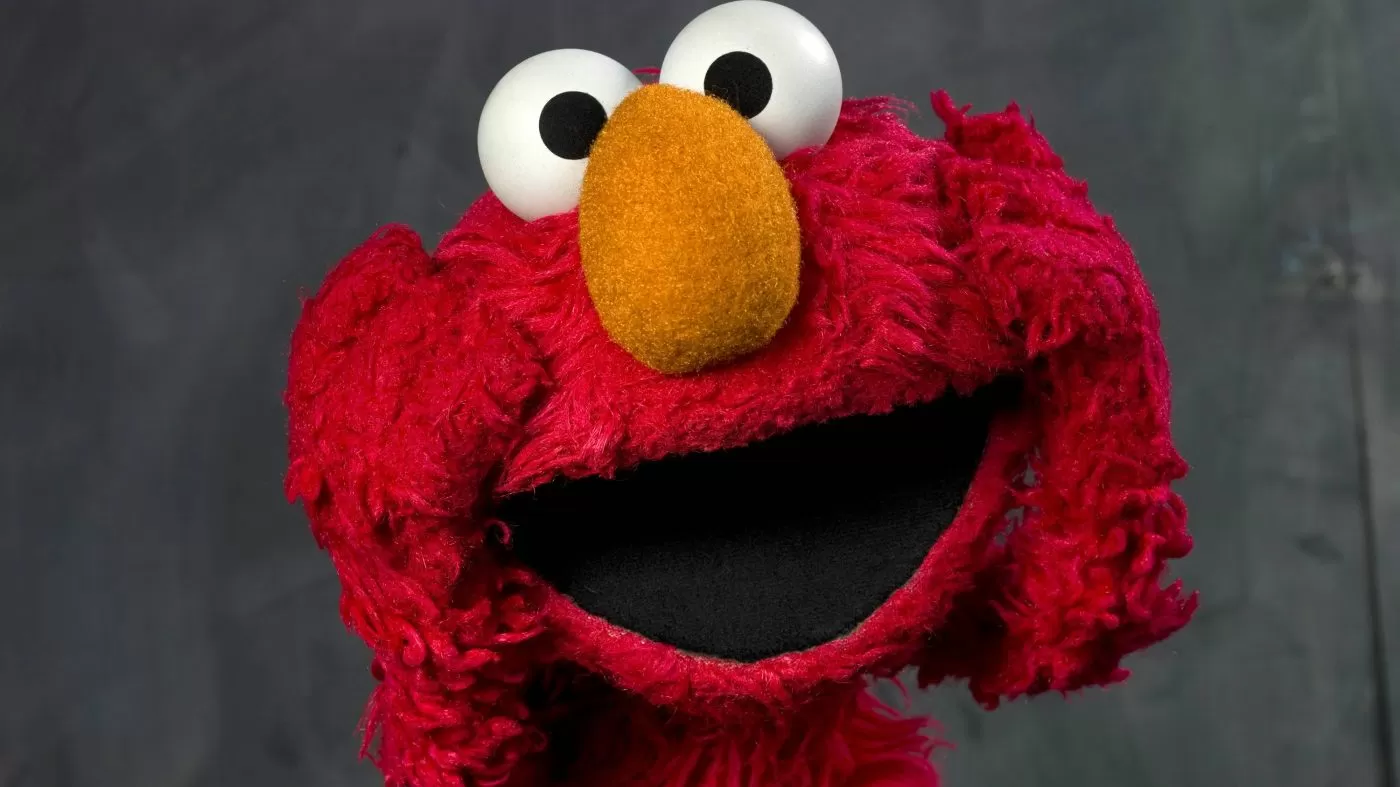
A recent controversy has erupted in the United States after a group of congressional Republicans accused PBS of “grooming” children through one of its most beloved programs, “Sesame Street.” The cause of this accusation? A simple social media post recognizing Pride Month.
On Monday, the nonprofit TV network shared a post on its official social media accounts featuring the iconic characters from “Sesame Street” holding a banner that read, “On our street, everyone is welcome. Together, let’s build a world where every person and family feels loved and respected for who they are. Happy Pride Month!” The post was accompanied by a message of inclusivity and acceptance, promoting the idea of a world where everyone is treated with love and respect regardless of their sexual orientation or gender identity.
However, this heartwarming message was met with backlash from a group of congressional Republicans who accused PBS of “pushing a radical agenda” and “grooming” children by promoting LGBTQ+ rights. This accusation has sparked a heated debate about the role of children’s programming in promoting diversity and inclusivity.
It is important to note that “Sesame Street” has a long history of promoting social and emotional development in children, teaching them important values such as kindness, empathy, and acceptance. The show has always been at the forefront of addressing important issues and promoting diversity, including featuring characters with disabilities and introducing the first HIV-positive Muppet.
In response to the criticism, PBS released a statement defending their decision to acknowledge Pride Month and reaffirming their commitment to promoting diversity and inclusivity. “PBS KIDS believes in the importance of diversity, representation, and inclusion for all children. We stand by our friends at ‘Sesame Street’ and their mission to help all children feel safe and respected in their communities,” the statement read.
The accusation of “grooming” children is not only baseless but also harmful. It perpetuates the harmful stereotype that being LGBTQ+ is a choice or something that can be influenced, rather than an inherent aspect of a person’s identity. This kind of rhetoric only serves to further stigmatize and marginalize the LGBTQ+ community, especially young children who may be struggling with their own identities.
Moreover, the idea that children should be shielded from discussions about diversity and inclusivity is misguided. In fact, research has shown that children are more accepting and open-minded when exposed to diverse representations and ideas from a young age. By promoting acceptance and understanding, “Sesame Street” is not “grooming” children, but rather teaching them valuable lessons about empathy and respect for others.
As a society, we should be celebrating and promoting diversity, not shaming it. Pride Month is a time to recognize and celebrate the LGBTQ+ community and their contributions to society. It is a time to promote love, acceptance, and equality for all. And “Sesame Street,” as a beloved and influential children’s program, has a responsibility to use its platform to spread these important messages.
In the end, the controversy surrounding “Sesame Street” and their Pride Month post is a reminder of the ongoing struggle for LGBTQ+ rights and acceptance. It is also a reminder of the power of media and the responsibility that comes with it. As we continue to strive for a more inclusive and accepting society, let us not forget the important role that children’s programming plays in shaping the minds and hearts of our future generations. And let us continue to support and celebrate initiatives like the one taken by “Sesame Street” in promoting diversity and inclusivity for all.
