
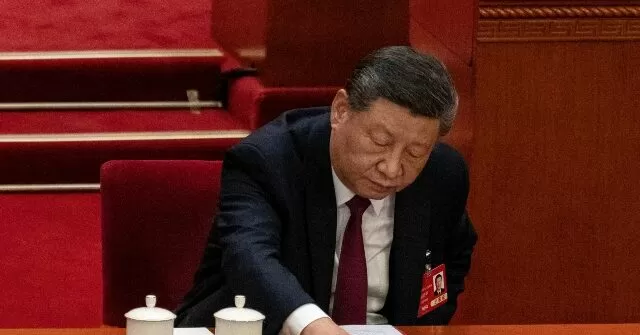
The Lowy Institute, one of Australia’s leading think tanks, has recently published a report that has sent shockwaves throughout the global community. The report, titled “Tidal Wave of Debt to China About to Hit World’s Poorest Nations,” has shed light on a looming crisis that could potentially affect millions of people in the developing world.
According to the report, many developing countries are facing an overwhelming burden of debt repayments and interest costs owed to China. These debts have been incurred through various infrastructure projects and loans provided by Chinese banks and companies. As these countries struggle to pay off their debts, they risk falling into a cycle of economic instability and dependency on China.
The numbers in the report paint a concerning picture. In the past two decades, China has become the largest creditor to developing countries, with loans amounting to over $350 billion. And with these loans come hefty interest rates, often higher than those charged by international institutions such as the World Bank and the International Monetary Fund.
This growing debt burden has already had severe consequences for countries like Sri Lanka, which had to hand over control of its strategically important Hambantota port to China for a period of 99 years. The fear is that many other developing nations may also have to make similar deals in order to repay their debts to China.
The report also highlights the lack of transparency and accountability in these loans, which often come with stringent conditions and little regard for the environmental and social impacts of the projects. This has raised concerns about the sustainability of these projects and the long-term effects on the economies of these countries.
But it’s not just the economic implications that are of concern. The report also warns of the potential political consequences of these debts. As China gains more control and influence over these countries, there is a risk of them becoming pawns in China’s global power play.
The Lowy Institute report serves as a wake-up call to both developing countries and the international community. It’s time to address the growing debt crisis and find sustainable solutions before it’s too late. But the responsibility does not solely lie with the debtor countries. China also needs to take a more responsible approach towards lending and ensure that these loans do not become a burden for the countries receiving them.
The international community also has a crucial role to play. As the report suggests, there needs to be a coordinated effort to address the issue and provide support to these developing countries in managing their debts.
But this crisis also presents an opportunity for these countries to reassess their economic strategies and explore alternative sources of financing. They can also focus on developing their own economies and reducing their dependency on external loans.
In the midst of this alarming situation, the Lowy Institute report also sheds light on the urgency for developed countries to step up their assistance to the developing world. As the report points out, the debt crisis will have far-reaching consequences for the entire global economy, and it’s in everyone’s best interest to address it.
It’s also important to recognize that this issue goes beyond just the world’s poorest nations. The debt crisis has the potential to affect the stability of the global financial system, and it’s crucial for all nations to work together towards finding a solution.
In conclusion, the Lowy Institute report serves as a timely reminder of the growing debt crisis and the need for urgent action. Let’s hope that this report will not be ignored, and that the international community will come together to find solutions that benefit both debtor and creditor countries. It’s only through collaboration and responsible actions that we can prevent this tidal wave of debt from crashing down on the most vulnerable populations in the developing world.
