
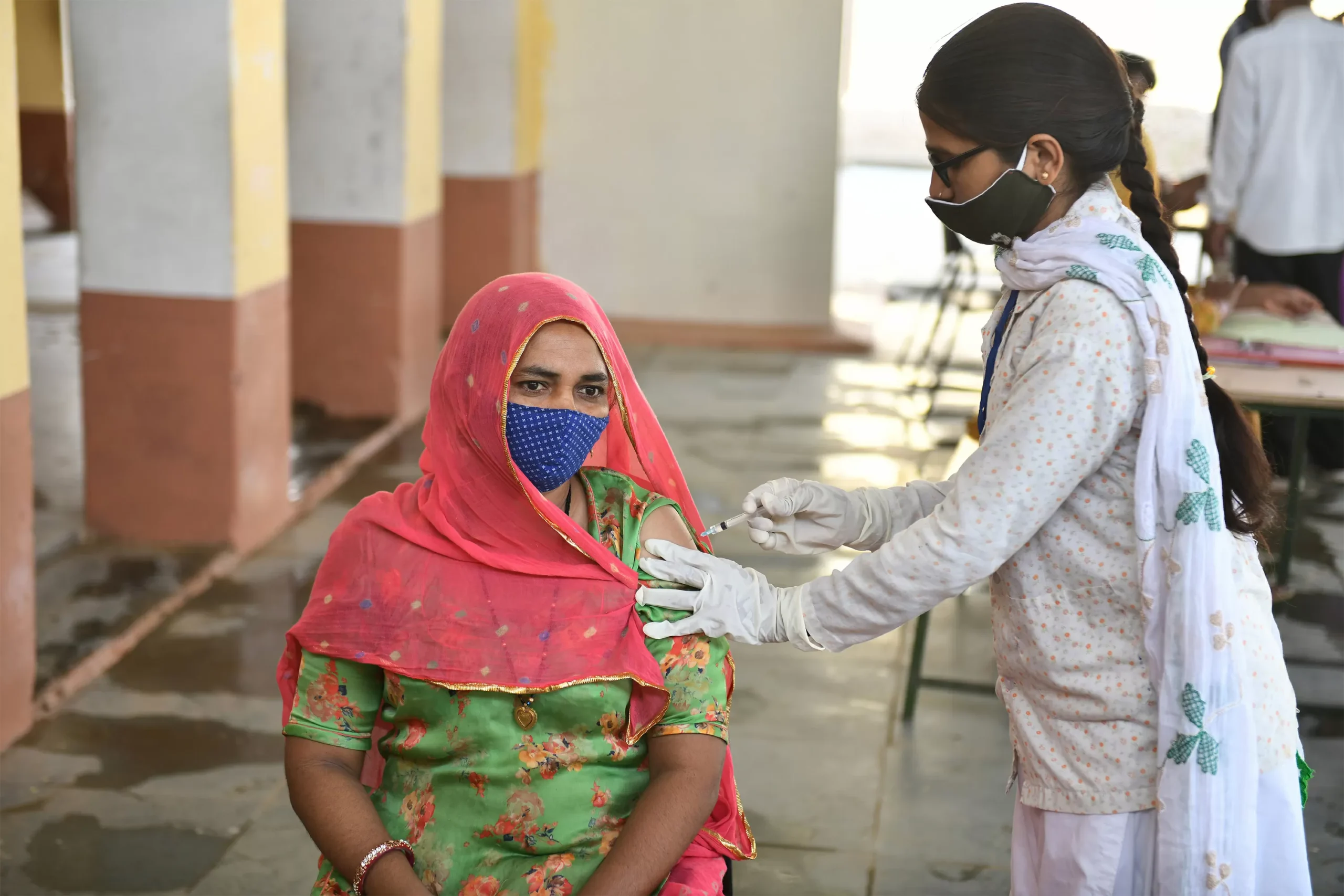
One of the greatest challenges faced by healthcare workers around the world is ensuring that children receive the necessary vaccinations to protect them from serious diseases. In many developing countries, access to healthcare and immunizations can be limited, leading to a high rate of child deaths. However, in a recent study, it was found that one combination of methods led to a remarkable 44 percent increase in child immunizations, giving hope to millions of families. Let’s delve deeper into this breakthrough and understand how it can potentially save the lives of countless children.
The study, conducted by a team of researchers from multiple organizations, looked at the effectiveness of combining three different methods in improving child immunization rates. These methods included community-based interventions, reminder and recall systems, and integrating immunization services with existing healthcare programs. This combination proved to be a powerful tool in overcoming barriers to immunization and increasing coverage, resulting in a significant improvement in child health outcomes.
One of the key factors contributing to the success of this combination was community involvement. By engaging with families and communities, healthcare workers were able to understand the specific challenges faced by each community and tailor interventions accordingly. This not only helped build trust and rapport but also allowed for the identification of cultural and logistical barriers that were hindering immunizations. Through these community-based interventions, families were educated about the importance of vaccines and the potential consequences of not getting their children vaccinated.
Another crucial aspect of this method was the implementation of reminder and recall systems. By keeping track of children who missed their immunizations, healthcare workers were able to send out reminders to parents and caregivers, ensuring that no child was left behind. This proactive approach helped address the problem of missed appointments and boosted immunization coverage. By utilizing technology, such as text messages and automated calls, healthcare providers were able to reach out to families in a timely and efficient manner.
Finally, integrating immunization services with existing healthcare programs proved to be a game-changer. By incorporating immunizations into routine check-ups and other healthcare services, families were able to access it more easily. This not only saved time and effort but also reduced the stigma associated with vaccinations. As a result, parents were more likely to bring their children for regular check-ups, resulting in increased immunization coverage.
The success of the study was measured by the increase in full immunization coverage among children under the age of one. And the results were astonishing. In communities where these methods were implemented, there was a remarkable 44 percent increase in full immunization coverage. This meant that thousands of children were now protected from deadly diseases such as measles, polio, and pneumonia. The study also highlighted significant improvements in access to healthcare and a decrease in missed appointments and dropouts.
The impact of this breakthrough goes beyond just numbers and statistics. It has the potential to save the lives of millions of children who are at risk of preventable diseases due to lack of access to immunizations. It also emphasizes the importance of collaboration and utilizing multiple methods to overcome complex healthcare challenges. By working together, healthcare workers, communities, and policymakers can create a healthier future for our children.
Moreover, this combination of methods is not limited to just improving immunization rates. It can also be adapted and implemented to address other health issues faced by communities, such as maternal and child health, nutrition, and sanitation. The study serves as a blueprint for implementing effective healthcare interventions, especially in low-resource settings, and has the potential to transform healthcare delivery systems globally.
The success of this method is a testament to the power of perseverance and innovation in the face of adversity. By continuously striving to improve and adapt, we can overcome any challenge. This breakthrough is a step towards fulfilling the United Nations’ Sustainable Development Goal of ensuring healthy lives for all, and it is a step that we must continue to build on.
In conclusion, the 44 percent increase in child immunization rates is not just a number, but a testament to the impact of combining different methods to achieve a common goal. It is a reminder that when we work together and utilize all available resources, we can make a significant difference in the lives of children and families. As we continue to find ways to improve healthcare, let us not forget the power of collaboration and determination, for they can truly lead to life-changing breakthroughs.
