
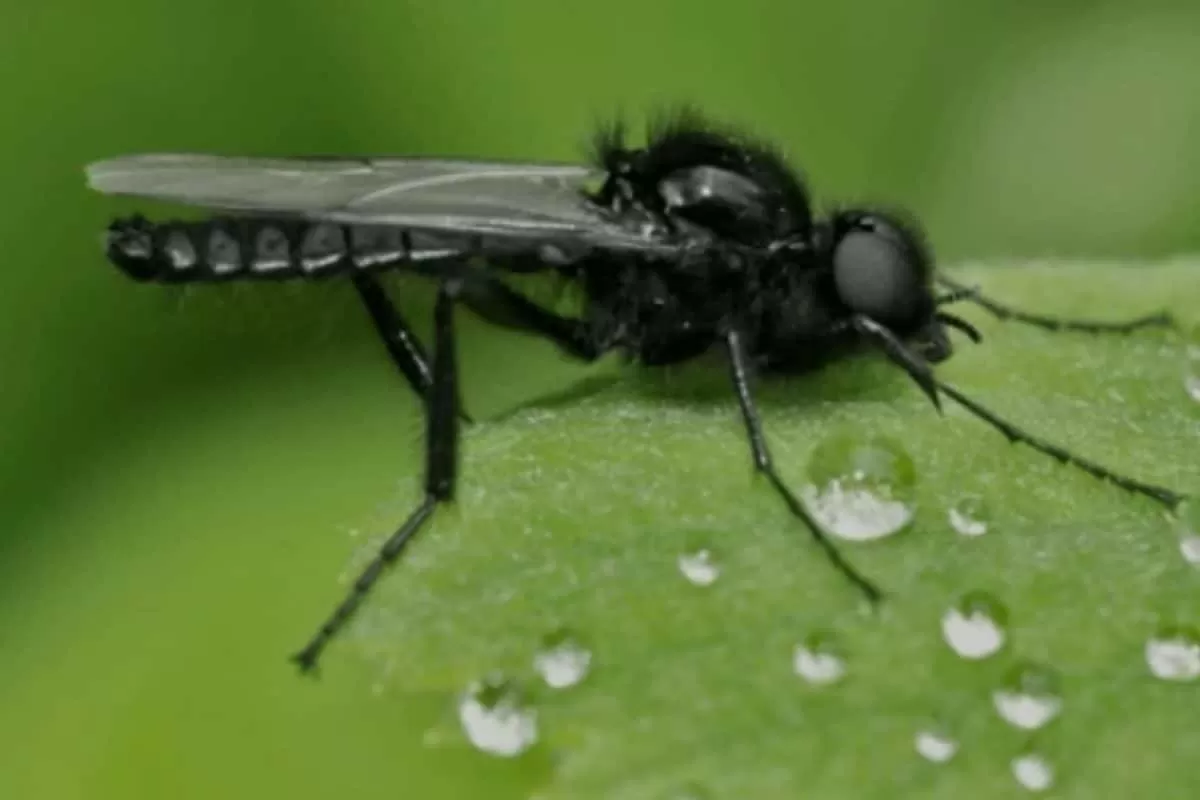
Onchocerciasis, commonly known as ‘river blindness,’ is a debilitating disease that affects millions of people worldwide. It is caused by a parasitic worm called Onchocerca volvulus, which is transmitted by the bite of infected black flies. This disease primarily affects people living in rural and remote areas, where access to healthcare and proper treatment is limited. However, with increased awareness and efforts to control the spread of the disease, significant progress has been made in reducing its impact.
The name ‘river blindness’ comes from the fact that the black flies that carry the parasite breed in fast-flowing rivers and streams. When an infected fly bites a person, it transfers the larvae of the worm into their skin. These larvae then mature into adult worms, which can live for up to 14 years in the human body. The female worms produce thousands of microscopic larvae, which migrate to the skin, eyes, and other organs, causing severe damage and inflammation.
The symptoms of onchocerciasis can be devastating, leading to permanent blindness, skin lesions, and intense itching. The disease primarily affects the eyes, causing visual impairment and eventually leading to blindness. In some cases, the skin lesions can become infected, leading to severe bacterial infections. The intense itching can also cause severe discomfort and sleep disturbances, affecting the overall quality of life of those affected.
Onchocerciasis is prevalent in sub-Saharan Africa, Latin America, and Yemen, where it is estimated that over 20 million people are infected. The disease is most prevalent in rural areas, where people live in close proximity to fast-flowing rivers and are exposed to black fly bites. The impact of this disease is not only limited to the individuals affected but also has a significant economic impact on the affected communities. Blindness and visual impairment can lead to loss of productivity and reduced earning potential, further perpetuating the cycle of poverty.
Fortunately, there have been significant efforts to control and eliminate onchocerciasis. The World Health Organization (WHO) launched a global program in 1974 to control and eliminate the disease. This program, known as the Onchocerciasis Control Program (OCP), focused on the use of insecticides to kill the black flies and prevent the spread of the disease. The OCP was highly successful, reducing the number of infected people from 37 million to 500,000 by the year 2002.
In 1995, a new strategy was introduced to eliminate onchocerciasis, known as the African Program for Onchocerciasis Control (APOC). This program focused on the distribution of a drug called ivermectin, which kills the larvae of the worm and prevents the disease from progressing. This treatment is safe, effective, and easy to administer, making it suitable for mass distribution in remote areas. The APOC has been successful in reducing the number of infected people and has even eliminated the disease in some areas.
In addition to these efforts, there have been significant advancements in research and development of new treatments for onchocerciasis. A new drug called moxidectin has been found to be more effective than ivermectin and requires only one annual dose. This drug has been approved by the WHO and is currently being used in clinical trials in Africa. If successful, it could revolutionize the treatment and elimination of onchocerciasis.
The fight against onchocerciasis also involves community engagement and education. The affected communities are actively involved in the distribution of treatment and are educated on how to prevent the spread of the disease. This community-based approach has been crucial in the success of the APOC and has helped to reduce the stigma associated with the disease.
Thanks to these efforts, the number of people infected with onchocerciasis has significantly reduced, and the disease is on the path to elimination. However, there is still much work to be done, especially in remote and hard-to-reach areas. The WHO has set a goal to eliminate onchocerciasis by 2025, and with continued efforts and support, this goal can be achieved.
In conclusion, onchocerciasis, commonly known as ‘river blindness,’ is a disease that has plagued communities for centuries. However, with significant advancements in research, increased awareness, and community involvement, there is hope for its elimination. The fight against
