
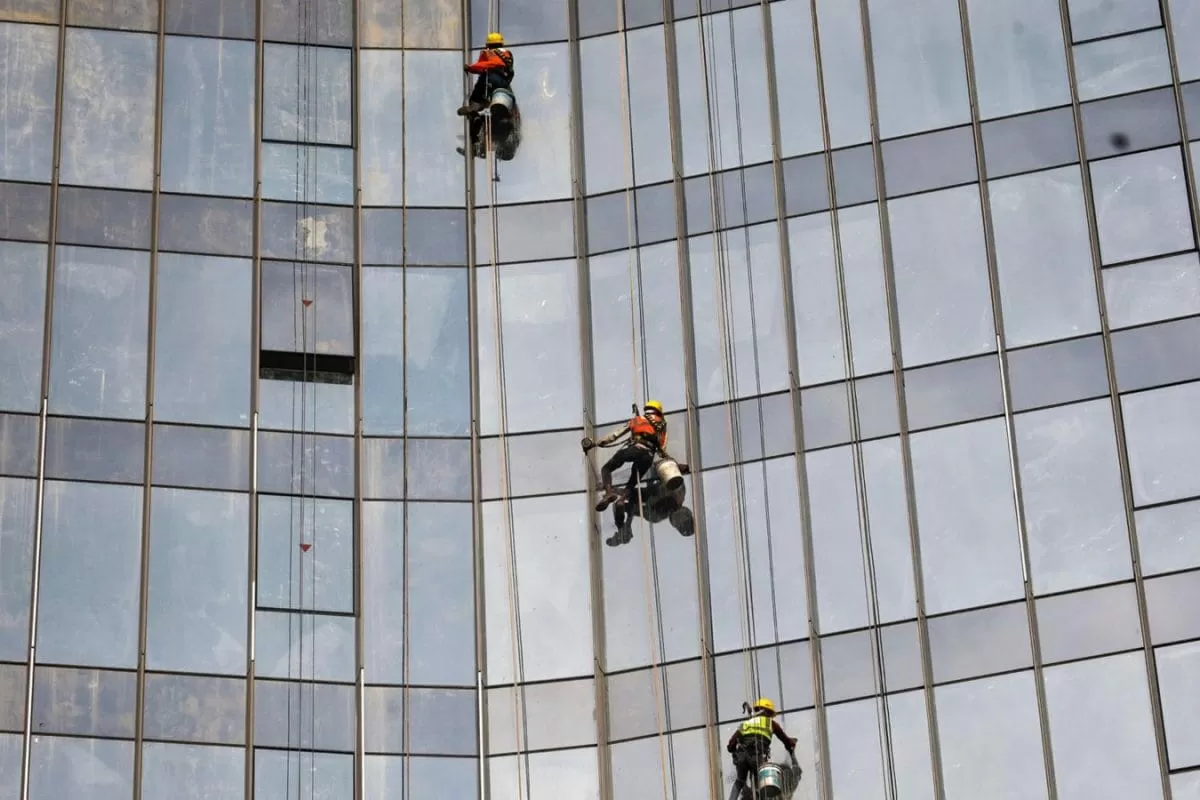
India, a country known for its rich culture, diverse landscapes, and bustling cities, is facing a new threat – the addiction to shiny glass façades and indiscriminate air conditioning. While these may seem like modern advancements, they are slowly transforming our cities into overheated glass chambers, trapping their inhabitants in a permanent, costly, and ecologically catastrophic nightmare.
The trend of using glass facades in buildings has gained popularity in recent years, with developers and architects opting for a sleek and modern look. However, what may seem like a symbol of progress and development is, in reality, a major contributor to the rising temperatures in our cities. The glass façades act as a barrier, trapping heat inside the buildings and increasing the overall temperature of the surrounding areas. This phenomenon, known as the urban heat island effect, is a result of the lack of green spaces and the abundance of heat-absorbing materials like concrete and glass.
Moreover, the indiscriminate use of air conditioning in these glass buildings only adds to the problem. As the temperature rises, people become more dependent on air conditioning to keep themselves cool, leading to a vicious cycle of energy consumption. This not only puts a strain on the already overburdened power grids but also contributes to the emission of greenhouse gases, further exacerbating the issue of climate change.
The consequences of this addiction to shiny glass façades and air conditioning are far-reaching and have a significant impact on the quality of life in our cities. The rising temperatures not only make it uncomfortable for people to live and work in these buildings, but they also have adverse effects on their health. Heat-related illnesses, such as heatstroke and dehydration, are becoming increasingly common, especially among the elderly and children. The economic impact of this is also significant, with increased healthcare costs and decreased productivity.
Furthermore, the ecological impact of this trend cannot be ignored. The excessive use of air conditioning and the lack of green spaces in our cities are taking a toll on the environment. The energy consumption and emissions from these buildings contribute to air pollution and the depletion of natural resources. This, in turn, has a cascading effect on the ecosystem, leading to a loss of biodiversity and further exacerbating the effects of climate change.
It is high time that we address this issue and take steps to break free from our addiction to shiny glass façades and air conditioning. The first step towards this is to raise awareness and educate people about the consequences of this trend. We need to understand that the sleek and modern look of glass buildings comes at a high cost – the health and well-being of our citizens and the environment.
The government also has a crucial role to play in curbing this addiction. Strict regulations need to be put in place to limit the use of glass facades and encourage the use of sustainable building materials. Incentives should be given to developers who incorporate green spaces and energy-efficient designs in their buildings. The use of renewable energy sources, such as solar panels, should also be promoted to reduce the dependence on traditional energy sources.
As citizens, we can also contribute to breaking this addiction by making conscious choices. Instead of opting for air conditioning, we can use natural ventilation and fans to keep ourselves cool. We can also choose to live and work in buildings that prioritize sustainability and have green spaces. By making small changes in our lifestyle, we can collectively make a significant impact on the environment and our cities.
In conclusion, the addiction to shiny glass façades and air conditioning is a dangerous trend that is slowly transforming our cities into overheated glass chambers. It is time for us to break free from this addiction and take steps towards creating sustainable and livable cities. Let us not sacrifice the well-being of our citizens and the environment for the sake of a modern and sleek look. It is time to prioritize the health of our cities and its inhabitants over aesthetics. Only then can we truly create vibrant and thriving cities for generations to come.
