
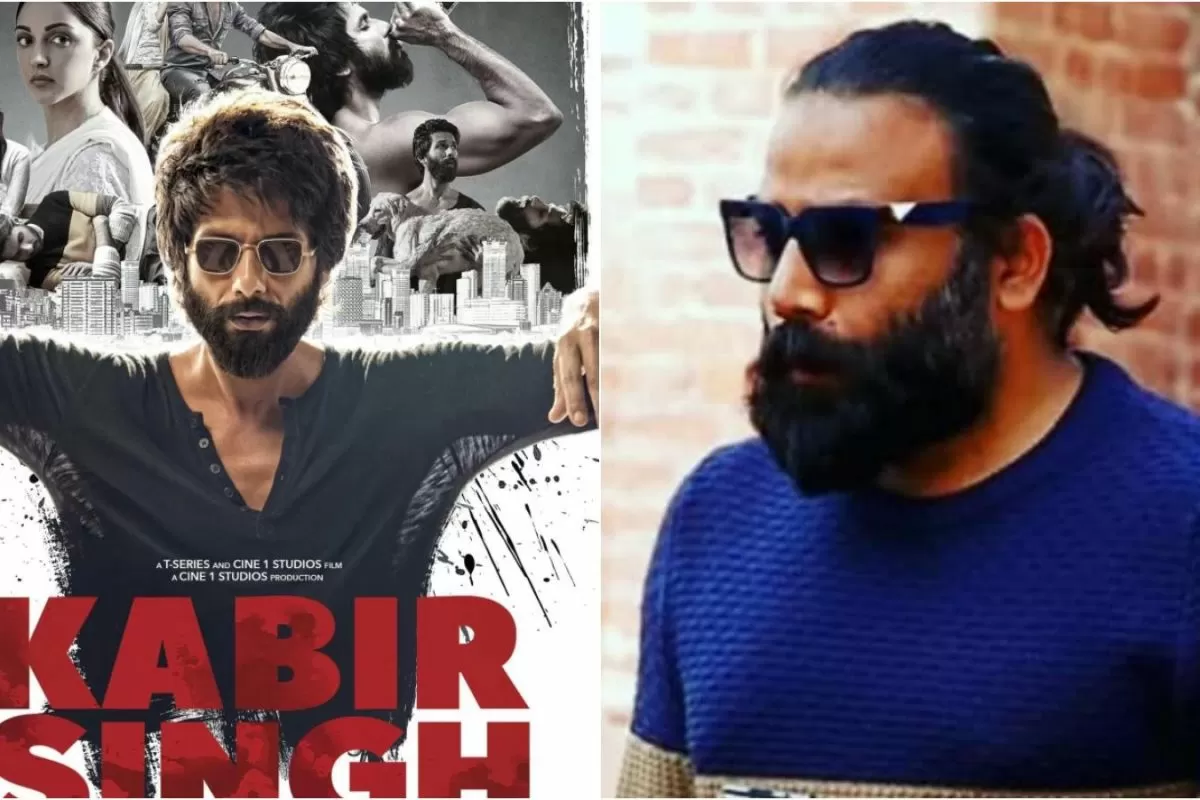
Filmmaker Sandeep Reddy Vanga recently made headlines when he revealed that a production company in Mumbai rejected an actor simply because of his association with Vanga’s blockbuster film Kabir Singh, starring Shahid Kapoor. This shocking revelation has sparked a debate in the film industry about the impact of an actor’s past projects on their future opportunities.
Kabir Singh, a remake of the Telugu film Arjun Reddy, was a massive success at the box office, but it also received criticism for its portrayal of toxic masculinity and glorification of violence. Despite the controversy, the film was a commercial hit and catapulted Shahid Kapoor’s career to new heights. However, it seems that not everyone in the industry is willing to overlook the film’s controversial themes.
In an interview, Vanga shared that the production company rejected the actor without even watching his audition tape, solely because he had worked with Vanga on Kabir Singh. This incident has raised questions about the industry’s narrow-mindedness and the impact of an actor’s past projects on their future prospects.
It is disheartening to see that an actor’s association with a particular film can overshadow their talent and potential. This incident also highlights the lack of creativity and risk-taking in the industry, where actors are typecast based on their previous roles. It is a regressive mindset that hinders the growth and evolution of the film industry.
Moreover, this incident also sheds light on the double standards prevalent in the industry. While Kabir Singh was criticized for its portrayal of toxic masculinity, other films with similar themes have been praised and even awarded. This selective outrage and discrimination against an actor based on their past projects is unfair and unjust.
It is essential to understand that an actor’s job is to portray a character, and they should not be judged based on the character’s actions. It is the responsibility of the audience to differentiate between reel and real life. Moreover, it is the duty of the filmmakers to create a safe and inclusive work environment where actors are not judged or discriminated against based on their past projects.
This incident also highlights the need for diversity and representation in the film industry. It is high time that the industry moves beyond the conventional norms and gives opportunities to actors from diverse backgrounds and with different perspectives. This will not only bring fresh talent to the forefront but also promote inclusivity and diversity in storytelling.
Furthermore, this incident serves as a wake-up call for the industry to introspect and re-evaluate its standards and practices. It is crucial to create a healthy and progressive work culture where an actor’s talent and potential are valued above their past projects. The industry needs to evolve and adapt to changing times, and this incident is a reminder of that.
On a positive note, this incident has also sparked a conversation about the impact of films on society. It is essential for filmmakers to be responsible and mindful of the messages they convey through their films. While creative freedom is crucial, it should not come at the cost of promoting regressive and harmful ideologies.
In conclusion, the rejection of an actor based on their association with a particular film is a regressive and discriminatory practice that needs to be addressed. It is high time that the industry moves beyond the narrow-mindedness and gives opportunities to actors based on their talent and potential. This incident should serve as a lesson for the industry to create a more inclusive and progressive work environment. Let us hope that the film industry learns from this incident and takes steps towards positive change.
