
Israel and Hezbollah Ramping Up Cross-Border Attacks: A Recipe for a Full-Scale Conflict
Tensions between Israel and the Lebanese armed group Hezbollah have reached new heights in recent months, with both sides engaging in a series of cross-border attacks. These escalations have stoked fears of a full-scale conflict in a region that is already struggling to contain the ongoing war in the besieged territory of Gaza.
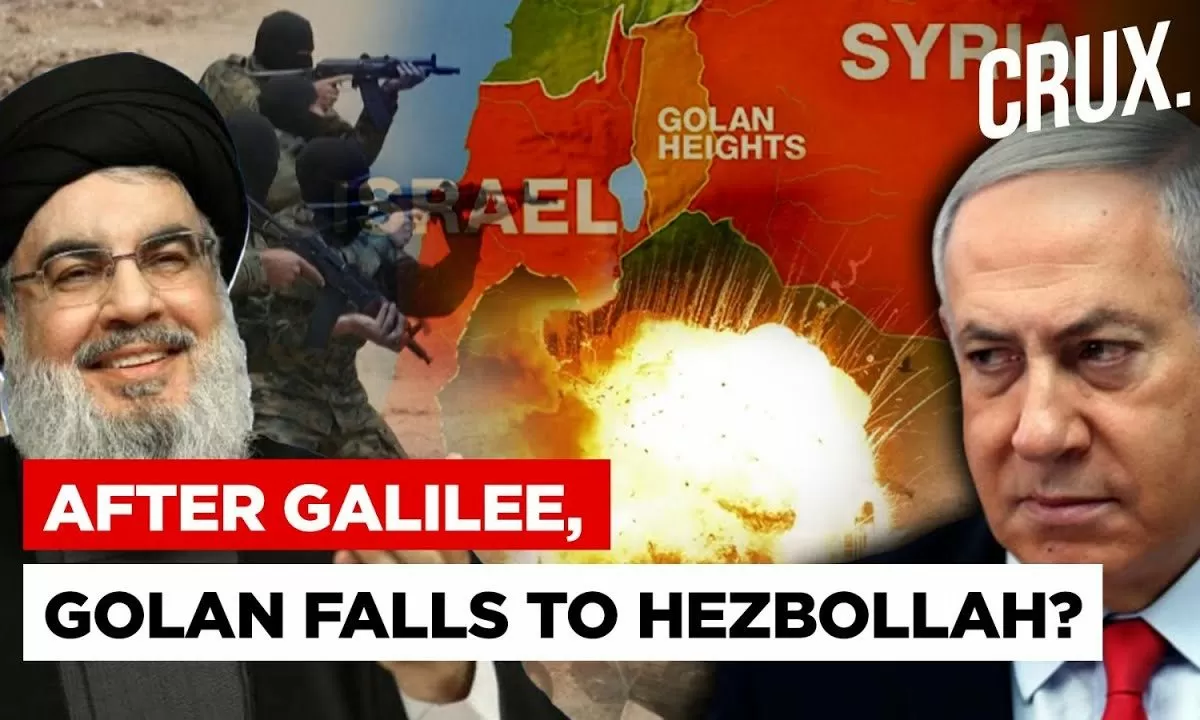
The situation has been exacerbated by the claims of a former Israeli military commander that Hezbollah has taken control of the Galilee region from Tel Aviv. This alarming assertion has been supported by a report from Asharq Al-Awsat, citing political sources in Tel Aviv, which claims that the Lebanese fighters have established “armed cells” in the eastern part of the Golan Heights – a territory under Israel’s control since 1967.
These developments, coupled with Israel’s relentless and deadly attacks on Gaza since the October 7th assault by Hamas, a group backed by Hezbollah, have raised concerns among experts that a full-blown war between Israel and Hezbollah is imminent. Such a conflict could not only engulf the entire Middle East but also have far-reaching consequences for the rest of the world.
The current situation between Israel and Hezbollah has been brewing for some time now, with low-intensity fighting taking place for several months. However, the recent uptick in cross-border attacks and the aggressive rhetoric from both sides have put the region on edge. It is crucial to note that both Israel and Hezbollah have a long and bloody history of conflict, with several skirmishes and wars fought between the two over the years.
The recent developments, particularly the claims of Hezbollah’s control over the Galilee region, have significantly escalated the situation. If true, it would mark a significant territorial gains for the Lebanese group, which has always positioned itself as a staunch defender of Lebanon’s borders against Israeli aggression. This development poses a direct threat to Israel’s national security and sovereignty, and it is no surprise that the Israeli government has responded with extreme caution and concern.
Furthermore, the ongoing conflict in Gaza, which has resulted in the deaths of hundreds of Palestinians, has only added fuel to the fire. The involvement of Hezbollah, a sworn enemy of Israel, has further complicated the matter, with each side trying to outdo the other in terms of military prowess and bold rhetoric. This dangerous game of one-upmanship could potentially lead to a full-scale war, with catastrophic consequences for both nations and the wider region.
Moreover, the potential involvement of Hezbollah in the Golan Heights, a territory that has been under Israeli control for over five decades, presents a new and concerning dimension to the conflict. It could not only escalate tensions between Israel and Lebanon but also draw in countries like Syria, which has long been a supporter of Hezbollah. The involvement of other regional and international players could quickly turn this conflict into a global crisis.
The international community must take note of these alarming developments and intervene before it is too late. The ongoing violence in Gaza and the possibility of a full-scale war between Israel and Hezbollah is a cause for concern not just for the Middle East but also for the rest of the world. The potential humanitarian crisis and loss of innocent lives must be prevented at all costs.
It is also essential for Israel and Hezbollah to exercise restraint and engage in dialogue to find a peaceful resolution to their differences. The use of military force and provocative rhetoric will only escalate the situation and put the lives of innocent civilians at risk. The region is already facing numerous challenges, including the ongoing pandemic and economic struggles, and a war would only compound these issues.
In conclusion, the recent ramping up of cross-border attacks between Israel and Hezbollah, combined with the ongoing conflict in Gaza, has set the stage for a potential full-scale war between the two sides. The claims of Hezbollah’s control over the Galilee region and its involvement in the Golan Heights have only added to the already tense situation. The international community must intervene to prevent a catastrophic conflict, and both sides must exercise restraint and engage in dialogue to find a peaceful resolution. The world cannot afford another devastating war, and it is time for all parties involved to prioritize peace and stability over aggression and violence.
